Emerging Leaders Fellows to lead ambitious research at RW-ILS
19 October 2026
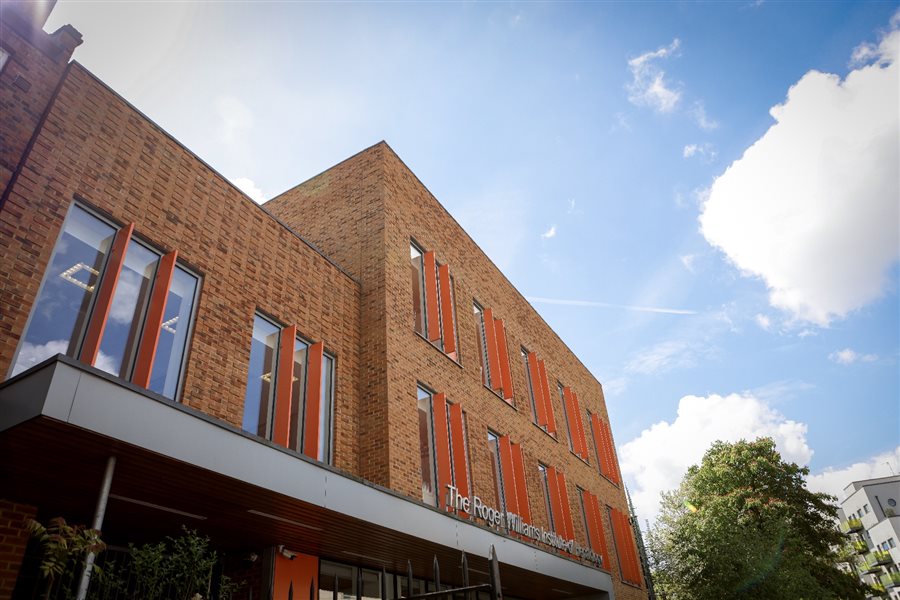
The Roger Williams Institute of Liver Studies (RW-ILS) has appointed Dr Anthony Baptista and Dr James Cleland as its 2026 Emerging Leaders Fellows, committing to support two ambitious liver research programmes.
The fellowships will give both researchers the chance to build independent projects, using their expertise from different disciplines to investigate how cancer develops and how metabolism influences the activity of genes in the liver.
Both programmes will benefit from being able to combine scientific approaches with the clinical expertise and research infrastructure available at King’s College London and King’s College Hospital.
Understanding the neighbourhoods where cancer develops
Dr Anthony Baptista's research will investigate how ageing influences the development of cancer. He brings with him an interdisciplinary background in mathematical physics, computational biology and cancer research, having previously held postdoctoral positions at Queen Mary University of London and the Alan Turing Institute, and completed a PhD in Biomathematics and Complex Systems at Aix-Marseille University.
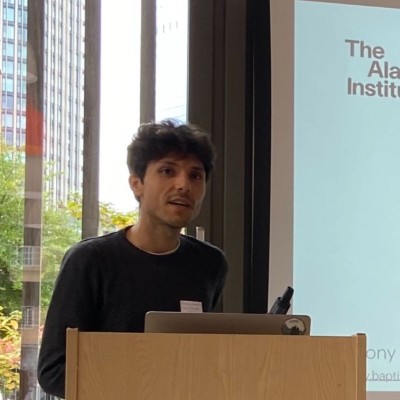
Dr Anthony Baptista, 2026 Emerging Leaders Fellow at The Roger Williams Institute of Liver Studies
His project, SPACE: Spatial Profiling of Ageing-Cancer Ecosystems, will examine the relationships between ageing, cellular senescence and cancer across breast and liver tissue. Cellular senescence is a state in which cells stop dividing but remain biologically active, potentially influencing the behaviour of neighbouring cells and the wider tissue environment.
The work will investigate how cells are arranged within tissues and how they interact with their neighbours. By combining spatial profiling with other biological data, Anthony hopes to build a more detailed picture of the environments in which cancer develops. This could help researchers identify biological mechanisms that contribute to cancer progression, potentially pointing towards new biomarkers or therapeutic targets.
Anthony is particularly interested in the opportunities created by working across disciplines. “What really interests me is bringing together different ways of thinking about biology,” he explains. “My background is in mathematical physics, so I’m interested in how we can use mathematical approaches to understand the complexity of living systems.
Exploring the relationship between metabolism and the human liver genome
Before joining RW-ILS, Dr James Cleland worked as a postdoctoral researcher at the German Cancer Research Center (DKFZ) and the European Molecular Biology Laboratory (EMBL). His research will focus on the relationship between liver metabolism and gene regulation, investigating how metabolic processes influence the switching on or switching off of genes in the human liver.
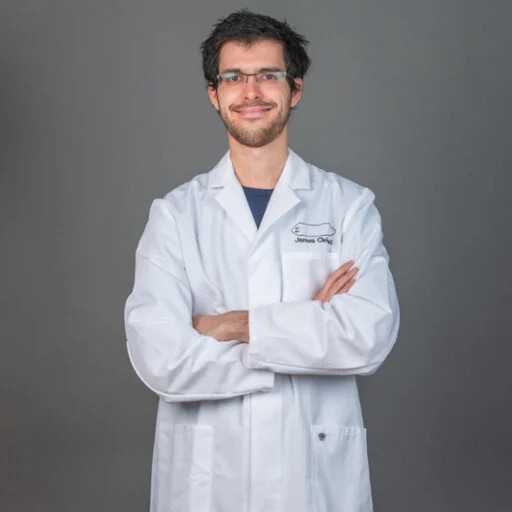
Dr James Cleland, 2026 Emerging Leader Fellow at The Roger Williams Institute of Liver Studies
The liver performs a wide range of essential metabolic functions, processing nutrients and helping the body manage its energy supplies. Understanding how these processes interact with the regulation of genes could provide important insights into liver function and disease.
The project, Metabolic control of the human liver genome, will bring together expertise in liver biology, metabolism and gene regulation, with opportunities to connect laboratory research to the clinical questions faced by liver specialists at King’s College Hospital.
For James, the translational research environment at King’s is an important part of the opportunity. He highlights the value of bringing different areas of expertise together, describing the research ecosystem as “perfect for what I want to do”.
“Having researchers and clinicians under one roof is a very special thing,” he says. “Being part of that environment means you can develop research questions that are truly informed by the needs of patients.”
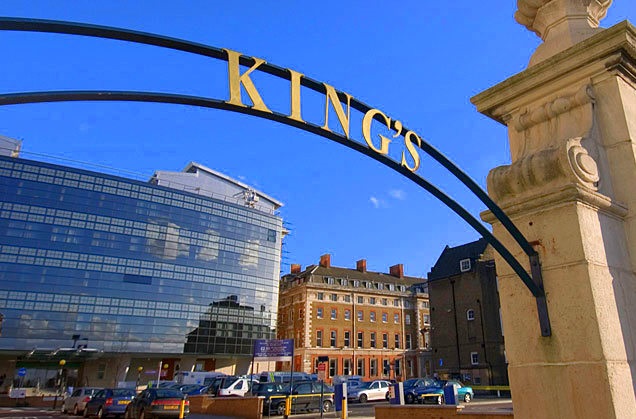
At King’s, proximity to clinical practice brings research closer to the realities of liver disease and the people it affects
A platform for ambitious research
The Emerging Leaders Fellowship is designed to support researchers at a pivotal stage in their careers, giving them the time and opportunity to establish ambitious research programmes, while developing the collaborations and expertise needed to move into leadership.
Anthony recently began his fellowship, with James due to join in April 2027. Both will work within the wider RW-ILS research community, which brings together some of the world's leading scientists and clinicians in the field of hepatology.
The two projects exemplify the range of approaches being brought to liver research at King’s, where there is real momentum to solve some of the most challenging questions in liver science.
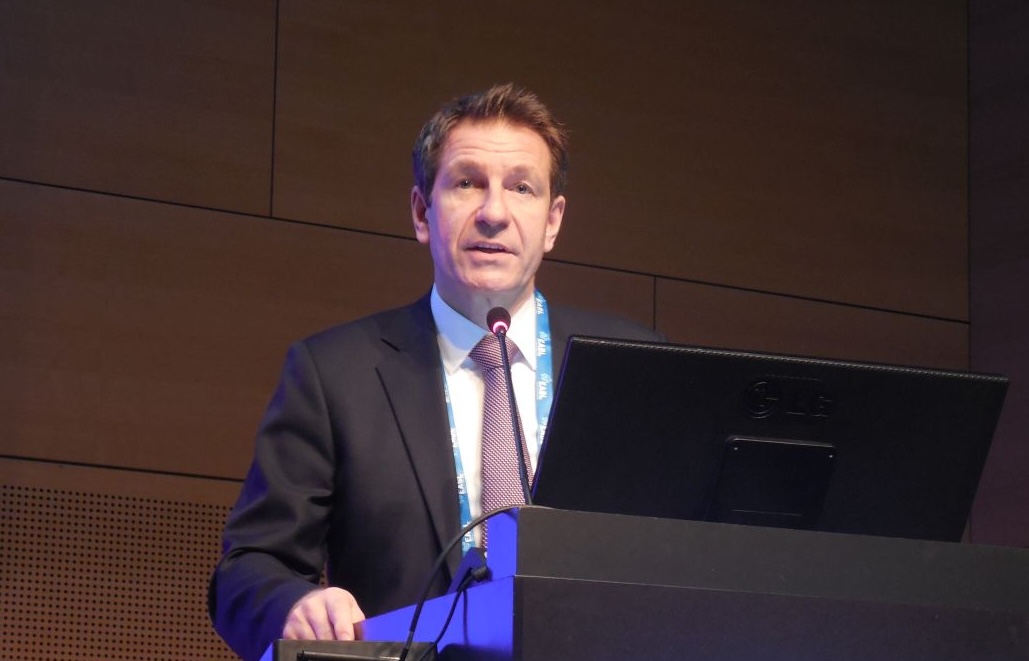
“The strength of hepatology at King’s is the close interaction between our researchers, clinicians and patients. That creates an exceptional environment for research, where scientific discovery can be informed by the realities of liver disease and where there is most potential to improve patients' lives.”
– Professor Philip Newsome, Director of The Roger Williams Institute of Liver Studies
For both Anthony and James, the fellowships offer a platform from which to pursue their scientific ambitions and make their mark on the future of liver research. Their progress will be watched with great interest across the Institute.
Follow us on LinkedIn as we share updates on Anthony and James' research through the year.
Read other news articles