Making research work better for liver patients
17 September 2026
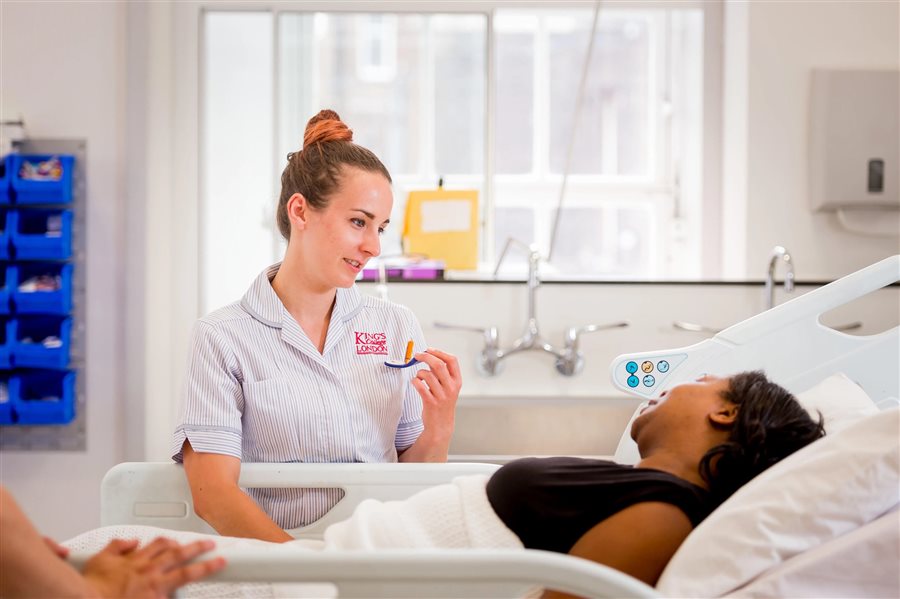
For patients with liver disease, taking part in research means much more than pushing science forward. It can bring access to new treatments, help teams of doctors, and make care better for other patients too.
But research isn't always easy to deliver in the NHS. Clinical teams are under pressure, busy researchers may not have enough protected time, and studies can struggle with funding, recruitment and the practical challenges of running across different hospitals and parts of the country.
A new national initiative – The GI/Hep Research Delivery Taskforce – is aiming to change things. Bringing together the British Society of Gastroenterology (BSG), British Association for the Study of the Liver (BASL) and National Institute for Health and Care Research (NIHR) Research Delivery Network, it will be taking steps to ensure research becomes a more routine part of gastroenterology and hepatology care across the UK.
The group's focus is on practical changes that will make research easier to deliver and more accessible to patients, including:
- Skills, mentorship and opportunities across the workforce
- Study design and development, with patients, clinical teams and sites involved early
- Funding that covers delivery costs and protected research time
- Better infrastructure and wider access to research across regions and care settings
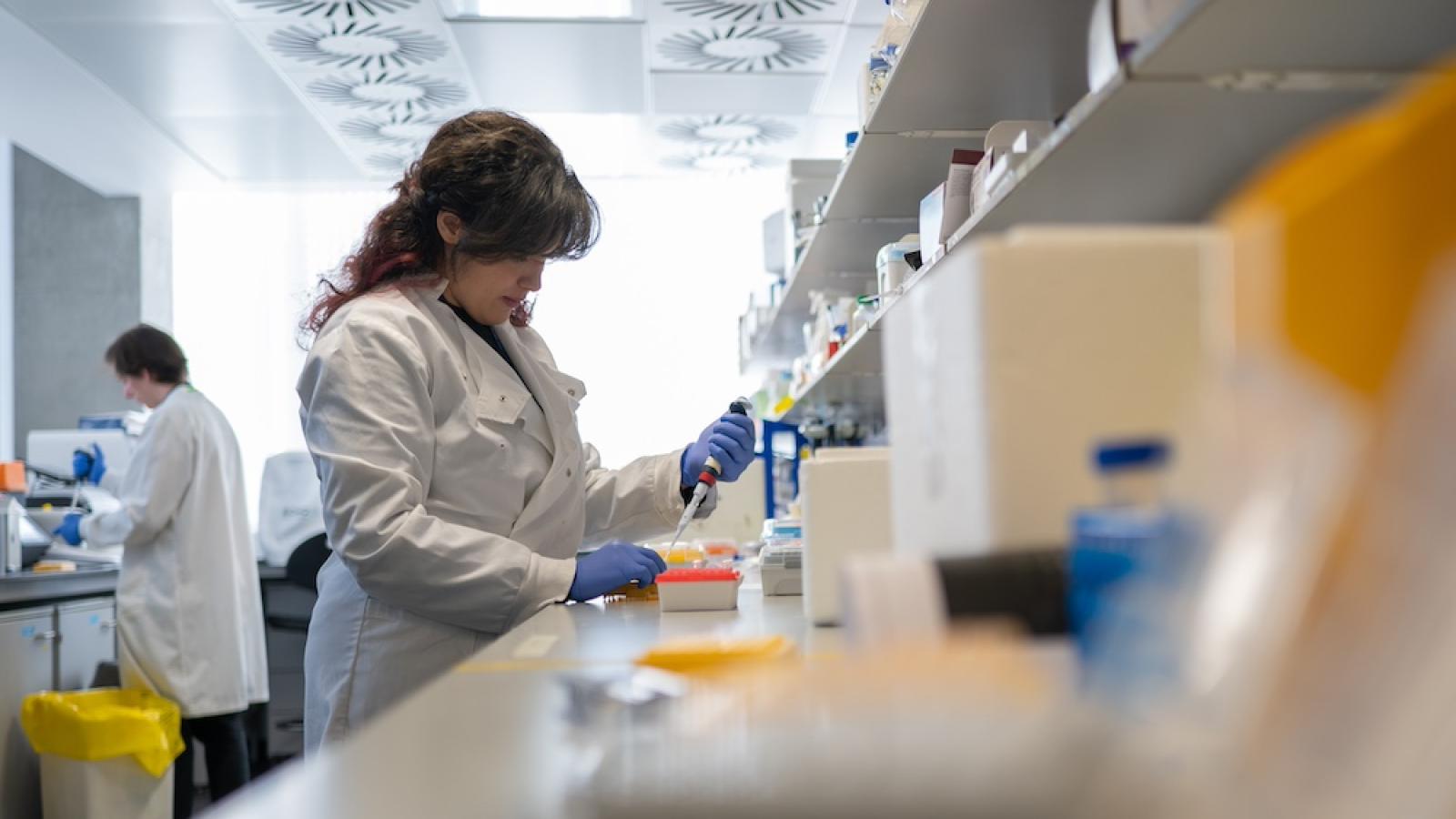
From the lab to the clinic, the taskforce is looking at how research can become a more routine part of everyday care
Helping patients benefit from research
Dr Vishal C. Patel and Professor Debbie Shawcross, both of the Roger Williams Institute of Liver Studies, have contributed to the initiative through roles with the BASL Research Development Group and BSG Liver Clinical Research Group.
Together with a formidable group of colleagues (full list below), they have outlined their plans in two new publications, in Frontline Gastroenterology and Gut. At the heart of the work is the idea of 'realistic research': research that asks important questions and has the potential to improve patient care, while also recognising the realities of delivering studies within the NHS.
The taskforce's work will now focus on putting these ideas into practice – helping build a research-active workforce and making participation in high-quality research a more routine part of gastroenterology and hepatology care.
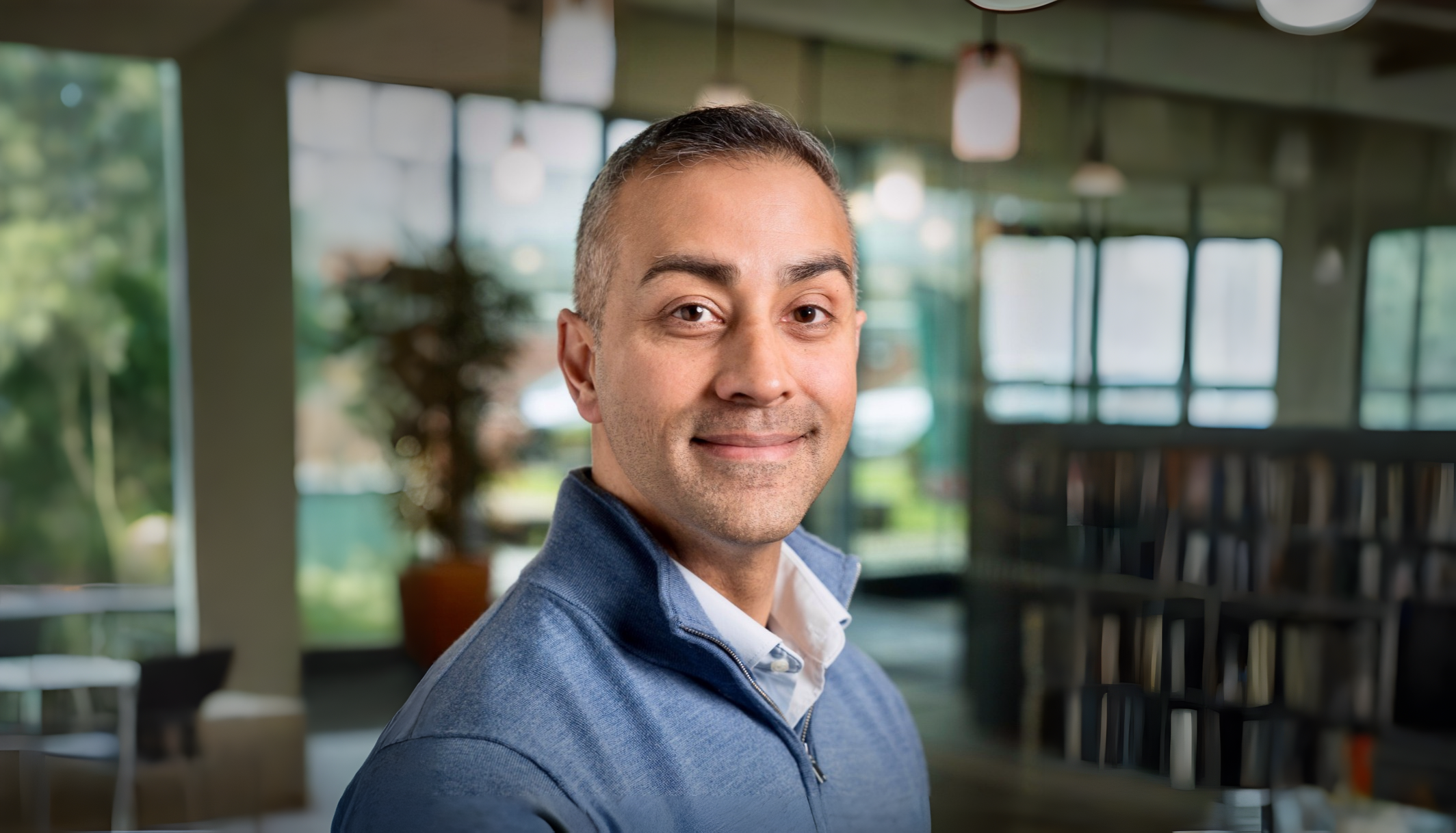
“Research has the potential to change the lives of people living with liver disease, but only if patients can access it and clinical teams have the time and resources to deliver it. This taskforce is about making research a genuine part of everyday care, and making sure that opportunity is open to as many patients and healthcare professionals as possible.”
– Dr Vishal C. Patel, Group Lead and Adjunct Reader in Hepatology at The Roger Williams Institute of Liver Studies and a clinician scientist based at King's College Hospital
List of contributors to the initiative:
Lynsey Corless, Hull University Teaching Hospitals NHS Trust
Shahida Din, The University of Edinburgh and Western General Hospital
Wenhao Li, Queen Mary University of London and Barts Health NHS Trust
Gerri Mortimore, University of Derby
Alastair O'Brien, Queen Mary University of London and Barts Health NHS Trust
Debbie Shawcross, The Roger Williams Institute of Liver Studies
Sumita Verma, Brighton and Sussex Medical School and University Hospitals Sussex NHS Foundation Trust
Felicity Williams, University Hospitals Birmingham NHS Foundation Trust and the University of Birmingham
John Leeds, Newcastle University and The Newcastle Upon Tyne Hospitals NHS Foundation Trust
Vishal C. Patel, The Roger Williams Institute of Liver Studies, King's College London, King's College Hospital NHS Foundation Trust and The Cleveland Clinic London
Read more about the plans at Frontline Gastroenterology and Gut
Read other news articles