New insights into how childhood chemotherapy affects the liver
15 September 2026

Chemotherapy can be lifesaving. But for children who receive it, the effects can carry on long into adulthood.
Now, new research co-led by Dr Foad Rouhani, Research Theme Lead at the Roger Williams Institute of Liver Studies (RW-ILS) and Group Leader at the Francis Crick Institute, has revealed previously unseen patterns of DNA damage in the liver following treatment with platinum-based chemotherapy.
The study, published in Science, brought together researchers from King’s College London, the Wellcome Sanger Institute, the University of Cambridge and the Francis Crick Institute. Together, they investigated what happens to the healthy cells of children who undergo this common type of cancer treatment.
What does chemotherapy do to the liver?
Platinum-based chemotherapy is highly effective against many cancers. It works, in part, by damaging DNA in cancer cells so they can no longer survive.
Unfortunately, chemotherapy affects healthy cells too. By using a highly sensitive DNA sequencing technique called NanoSeq in this new study, the researchers wanted to pinpoint the genetic changes that remain in children who had received it.
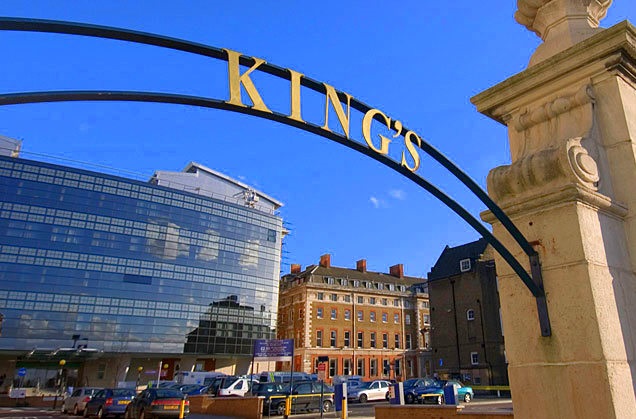
The researchers analysed samples from children who had received chemotherapy, collected during surgery at King’s College Hospital
The team analysed 186 blood samples, liver tumour samples and non-cancerous liver tissue from nine children, collected following treatment with platinum-based chemotherapy. An additional 30 samples from two children with liver cancer who had received non-platinum chemotherapy were also included.
The study further examined 47 samples from children with cancers other than liver cancer who had received platinum-based chemotherapy, others who had received non-platinum treatment, and some who had not undergone cancer treatment.
The researchers identified a distinctive pattern of DNA damage in the liver that wasn’t found in tissues from other organs. They believe this novel and unexpected pattern could be down to the way the liver processes and breaks down chemotherapy drugs.
The analysis also found that compared to non-platinum treatment, platinum-based chemotherapy caused many more DNA changes in healthy tissues. In some children, the level of DNA damage was similar to that normally seen in adults after decades of ageing.
Some of these changes could potentially contribute to cancer developing later in life, although fortunately this is still rare.
Treating cancer is only part of the story
For children who survive cancer, the end of treatment is just the beginning of a much longer journey. Understanding how chemotherapy affects healthy tissues could help researchers find ways to reduce the long-term health problems some survivors experience.
The findings raise an important question for liver researchers in particular: why does this organ appear to respond differently to chemotherapy, and could this help explain why some childhood cancer survivors develop liver conditions later in life?
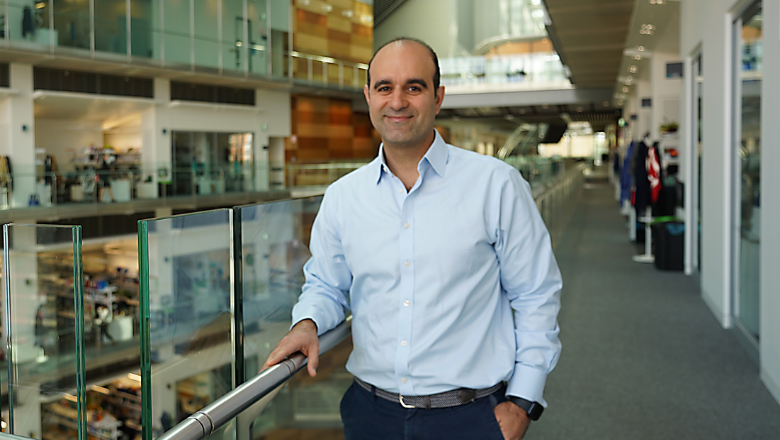
“The next step will be to investigate why the liver is unique in how it responds to chemotherapy. It could be that its ability to regenerate leaves it vulnerable to DNA changes. Finding out if this is the case could help us discover supplementary therapies that target tumours, but also negate the effects of chemotherapy on the healthy liver.”
– Dr Foad Rouhani, The Roger Williams Institute of Liver Studies
The ultimate hope is that a better understanding of the DNA changes will help uncover ways to protect healthy tissues without compromising the effectiveness of chemotherapy, which remains a highly effective treatment for childhood cancer. For children who receive it, that would mean not only a better chance of beating the disease, but a healthier life in the years that follow.
For RW-ILS, the work also highlights the importance of bringing together clinical and laboratory research to understand the liver – both in health and disease – and ultimately improve outcomes for patients.
Click here to read the newly-published Science paper in full
Read other news articles