The next frontier in liver medicine may begin in the mouth
14 May 2026
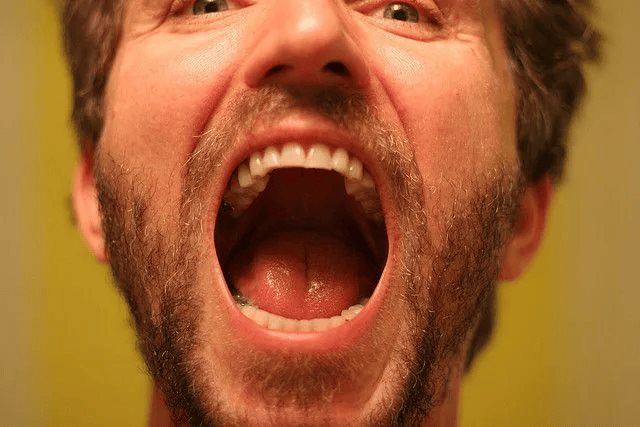
Earlier this year, researchers at the Roger Williams Institute of Liver Studies helped uncover evidence that bacteria from the mouth may actively worsen gut barrier function and liver scarring (cirrhosis) in people with advanced chronic liver disease (ACLD).
Now, a major new review article published in the Journal of Hepatology suggests those findings may be part of something much bigger: the emergence of an entirely new area of liver research.
The review, led by Drs Chris Harlow, Merianne Mohamed and Vishal C Patel (Principal Investigator) at the Roger Williams Institute of Liver Studies, Profs Avijit Banerjee and Luigi Nibali at Faculty of Dentistry, Oral & Craniofacial Sciences, King’s College London, and Prof Jasmohan S. Bajaj at Virginia Commonwealth University in the United States, brings together growing evidence around the oral-gut-liver axis – the complex relationship between oral health, the oral microbiome and ACLD.
Combining scientific and clinical expertise across hepatology, microbiome science and dentistry, the researchers argue the mouth may play a far more important role in liver disease progression than previously realised, and that oral health must become a much bigger part of future liver care.
A rapidly-evolving field
For years, liver research has focused heavily on the gut microbiome: the trillions of bacteria living in the digestive system and their influence on inflammation, immunity and disease.
But researchers are increasingly recognising that the mouth may also be a key part of that picture.
In healthy people, bacteria in the mouth are usually kept in balance. But in ACLD, that balance can shift dramatically. Harmful bacteria can become more dominant, spread into the gut and bloodstream, and contribute to inflammation, gut barrier damage and liver scarring.
The new Journal of Hepatology review suggests this process may be far more important than previously realised. Rather than being a simple association, researchers now believe the oral-gut-liver axis is a genuine biological pathway driving infection risk, immune dysfunction and progression towards liver failure in ACLD.
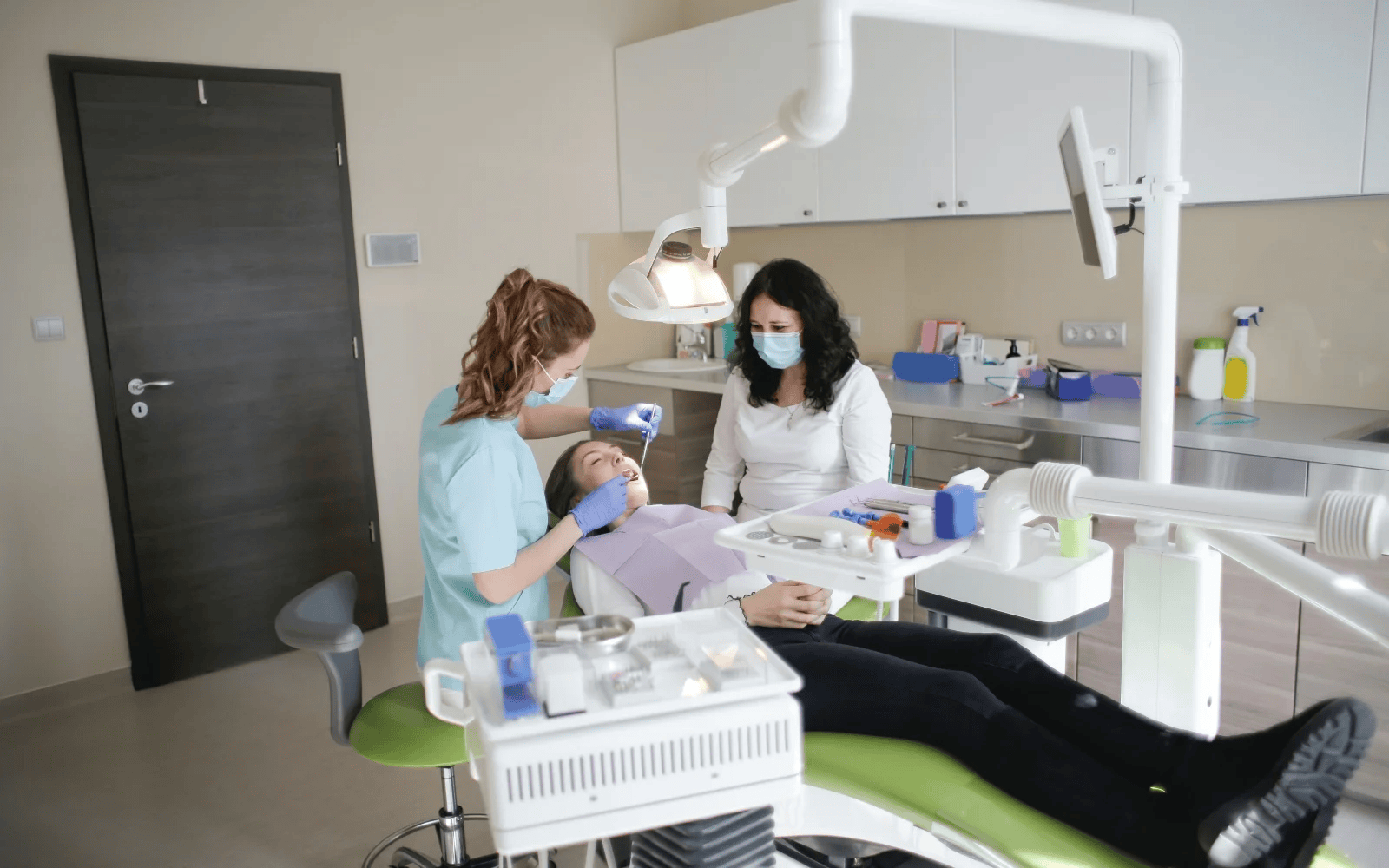
Researchers are increasingly recognising oral health as an important part of liver disease care
The paper also highlights the growing role of gum disease in ACLD. Around half of patients with the condition are thought to have moderate to severe periodontitis, which researchers increasingly believe may contribute to wider inflammation and disease complications.
On the positive side, advances in microbial profiling, multi-omics technologies and spatial biology are allowing scientists to study these interactions in far greater detail than ever before. Researchers can now move beyond simply identifying which bacteria are present, towards understanding what those microbes are actually doing inside the body, how they influence disease progression and how novel treatments can tip the balance back in favour of patients.
Buidling new collaborations
One of the most important outcomes of the work has been the new collaborations that Dr Vishal Patel has led in creating across King’s College London and King's Health Partners.
The review highlights growing links between researchers at the Roger Williams Institute of Liver Studies and leading dental academics, including Professors Avijit Banerjee and Luigi Nibali.
By bringing together expertise in hepatology, microbiology and oral health, the teams hope to better understand how diseases affecting different parts of the body may be more closely connected than previously thought.
This kind of multidisciplinary approach is becoming increasingly important in modern medicine, particularly for complex diseases like cirrhosis, where inflammation, immunity, metabolism and the microbiome all interact.

“Historically, oral health and liver disease have often been treated as completely separate issues. What this research increasingly shows is they may be much more closely connected than we realised, with important implications for how we understand, monitor and even prevent ACLD in the future.”
– Dr Vishal Patel, The Roger Williams Institute of Liver Studies
“Some of the most exciting advances in medicine happen when different specialties come together. By combining expertise in dentistry, microbiology and liver disease, we have an opportunity to uncover connections that could ultimately lead to better care and outcomes for patients.”
– Prof Avijit Banerjee, Faculty of Dentistry, Oral & Craniofacial Sciences, King's College London
A new frontier for liver medicine
Researchers believe the oral microbiome could eventually become an important tool in liver medicine.
Because the mouth is relatively easy to sample, changes in oral bacteria could one day help clinicians monitor disease progression, identify complications earlier, or even guide treatment decisions without invasive procedures.
There is also growing interest in whether improving oral health itself could help reduce inflammation and improve outcomes in patients with chronic liver disease.
While many questions still remain, it’s a rapidly-developing field.
For researchers at the Roger Williams Institute of Liver Studies, the goal is clear: to help translate emerging discoveries around the oral-gut-liver axis into better treatments and outcomes for people with liver disease.
Click here to read the paper in full, at the Journal of Hepatology
Read other news articles