Lancet Commission calls for urgent action on liver disease across Europe
30 April 2026
A major new Lancet Commission has warned that liver disease is now one of Europe’s fastest-growing and most overlooked health threats, despite being largely preventable.
Published today by the EASL-Lancet Commission on Liver Health in Europe, the report sets out the clearest picture yet of the scale of liver disease across the region, and a stark warning about the cost of continued inaction.
Every day in Europe, nearly 780 people die from cirrhosis or liver cancer. Together, those conditions now account for around 284,000 deaths each year across the WHO European Region.
And while many of Europe’s biggest health challenges have begun to improve, liver disease remains one of the few major conditions still moving in the wrong direction.
Researchers at the Roger Williams Institute of Liver Studies helped shape the report, with Professor Philip Newsome and Professor Debbie Shawcross among its co-authors.
A question of political will
The Commission’s message is clear: liver disease is no longer a problem of limited evidence. Europe already knows the drivers. It knows how to prevent much of it. And it knows what needs to change to improve outcomes.
What's been missing is the political will to act.
“Liver disease is no longer a silent condition – it is a growing public health failure that we have the tools to prevent,” said Professor Debbie Shawcross, Secretary General of EASL and Professor of Hepatology at the Roger Williams Institute of Liver Studies.
“What is missing is not evidence, but action. Europe now has a clear opportunity to turn the tide, but this will require political courage to address the root causes of disease and put health ahead of harmful commercial interests.”

The Commission calls for earlier detection and more joined-up care to improve outcomes for patients with liver disease.
A preventable crisis, shaped by inequality
The Commission highlights alcohol, obesity and viral hepatitis as the leading drivers of liver-related death across Europe, with steatotic liver disease continuing to rise sharply.
But the report is equally clear that liver disease is not simply a matter of individual choice.
It is shaped by the environments people live in, the food and alcohol available to them, and the wider commercial forces that influence health long before patients ever reach a clinic.
That burden also falls unequally.
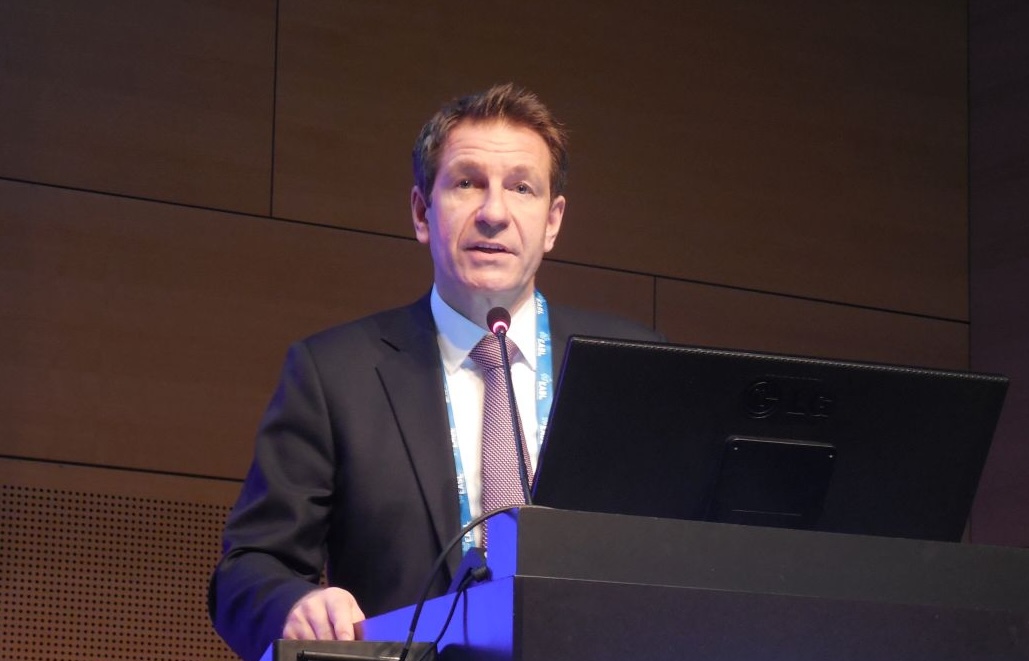
“Liver disease is a disease of inequality, and the burden falls hardest on those least able to bear it. Our work at the Roger Williams Institute of Liver Studies, alongside the British Liver Trust, reflects what this Commission demands – earlier detection, joined-up care and the resolve to act on what we already know works.”
– Professor Philip Newsome, Director of The Roger Williams Institute of Liver Studies
The cost of inaction
The economic cost of failing to act would be huge, according to the report.
Without liver disease, the combined economies of EU countries and associated European states would be worth an estimated €55 billion more each year. Across the region, liver disease now reduces GDP by around 0.3% annually through lost productivity, premature death and workforce absence.
The Commission argues that prevention is not only achievable, but an economic necessity. It calls for stronger action on the commercial drivers of disease, including tighter regulation of alcohol and ultra-processed food marketing, better early detection, stronger integrated care, and improved access to treatment.

“Current data should be a wake-up call. In the WHO European Region, cirrhosis and liver cancer cause nearly 780 deaths every day — around 3% of all deaths. Tackling the shared risk factors that drive liver disease, including alcohol, unhealthy diets, and viral hepatitis, needs to be an integral part of the broader response to noncommunicable diseases.”
– Dr Hans Kluge, WHO Regional Director for Europe
Three top priorities
The Commission identifies three priorities for meaningful progress:
- Make liver disease a top health priority, and include it in national and European health plans
- Detect and treat liver disease earlier, with joined-up care for people who often have multiple health conditions
- Tackle the root causes, including alcohol, unhealthy food, and other factors shaped by industry and the wider environment
For the authors, these aren't radical ideas. They are practical, evidence-based steps that could begin improving outcomes now.
As the report puts it: Europe has the evidence. It has the tools. What happens next is a question of action.
Read the Lancet Commission report in full by clicking here
Read other news articles