European research effort takes on one of cancer’s toughest challenges
05 May 2026
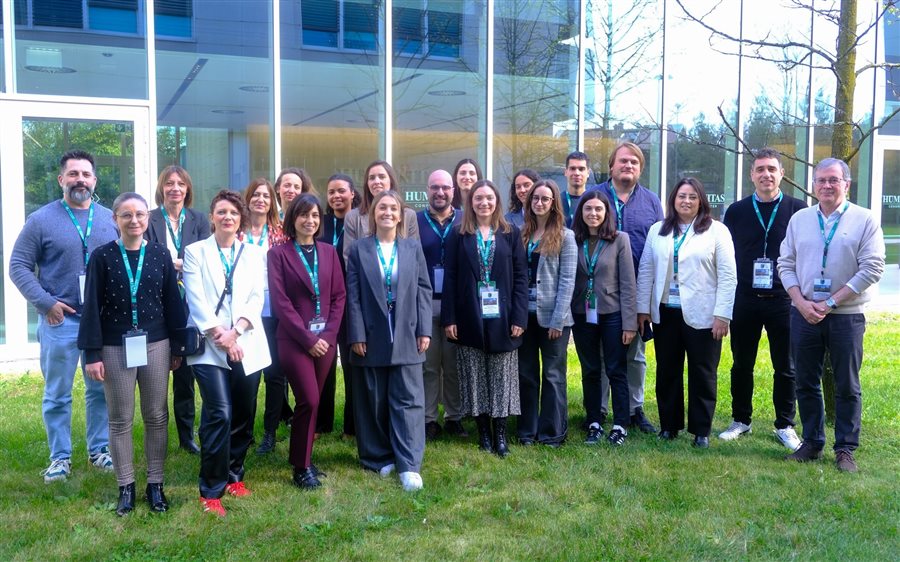
A major new European research project has launched with a clear goal: to bring a promising new cancer treatment closer to patients who urgently need better options.
The project, called TITAN, brings together leading researchers from across Europe to develop a new class of chemotherapy drugs known as Aurkines. Backed by €1.2 million in funding through the TRANSCAN programme, the team will focus particularly on cancers that are difficult to treat, including liver cancer.
A different kind of cancer treatment
One of the biggest challenges in cancer is what happens when treatments stop working.
Many tumours, including liver cancers, can become resistant to existing chemotherapy. When that happens, options are limited.
Aurkines could change that.
These new compounds have already shown encouraging results in early studies, including in cancers that no longer respond to standard treatments. Now, the TITAN team will take the next step, testing how well they work in models that closely reflect real patients.
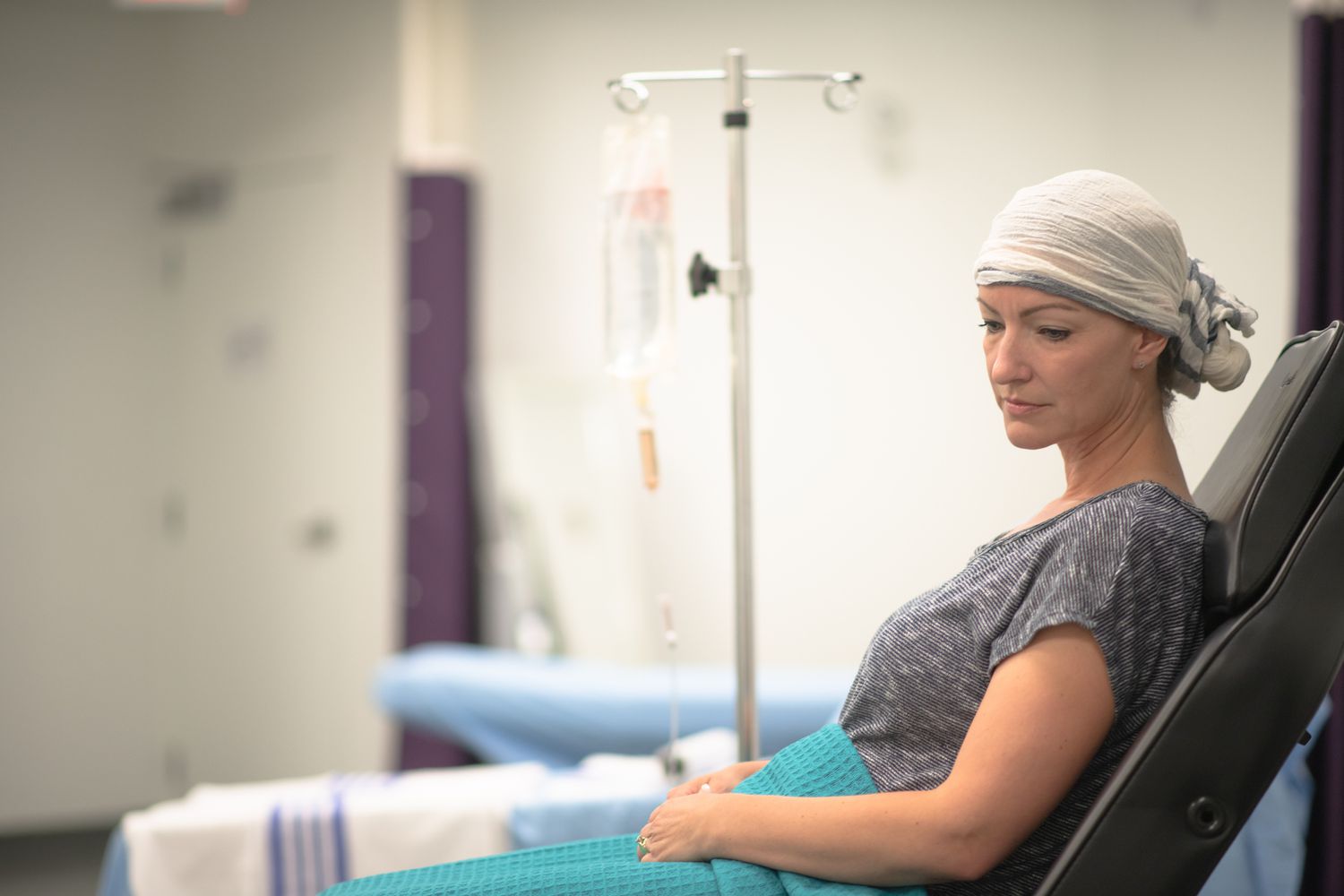
New treatments are urgently needed for patients whose cancers stop responding to standard chemotherapy
Bringing together pan-European expertise
What makes TITAN stand out is the way it brings different areas of expertise together.
The project is coordinated by Prof Jesús Bañales and Dr Pedro Rodrigues at the Biogipuzkoa Health Research Institute in San Sebastián. And across the consortium, each partner brings something different.
In Spain, Prof Fernando Cossío and Dr Ivan Rivilla, working across the University of the Basque Country and the Donostia International Physics Center, are leading the design and synthesis of Aurkines, helping shape and refine the compounds at the centre of the project.
In France, researchers at the INSERM Cordeliers Research Centre, including Prof Jean-Charles Nault and Dr Sandra Rebouissou, are helping to map the genetic profile of tumours and understand who might benefit most from treatment.
In Italy, the Humanitas Research Hospital IRCCS team, led by Prof Ana Lleo and Dr Michela Polidoro, are using advanced cancer-on-chip systems to model tumour behaviour in highly realistic conditions.
And here in the UK, at The Roger Williams Institute of Liver Studies, Dr Elena Palma and colleagues will play a key role by testing these treatments on living tumour tissue.
This approach, known as precision-cut tumour slices, allows researchers to see how a drug behaves in real human cancer tissue, not just in simplified lab models.
It’s a much closer step to what actually happens in patients. And what gives the project real strength is the breadth of models being used across the consortium – from lab-based systems to living patient tissue. Bringing these approaches together in one project means researchers can compare results more directly, refine how each model is used, and generate stronger, more reliable evidence before treatments move closer to the clinic.
From lab to clinic
The aim of TITAN is to move quickly from discovery to real-world impact.
Over the next three years, the team will test Aurkines both on their own and in combination with immunotherapy, with a particular focus on cholangiocarcinoma, an aggressive form of liver cancer, while also exploring how they perform across other tumour types.
By using more advanced and realistic models, the researchers hope to generate stronger evidence more quickly, and make better decisions about which treatments should move forward into clinical trials.
A step forward for liver cancer research
For liver cancer in particular, this kind of progress is badly needed.
Too often, the disease is diagnosed late and treatment options are limited. New approaches that can overcome drug resistance could make a real difference to this.
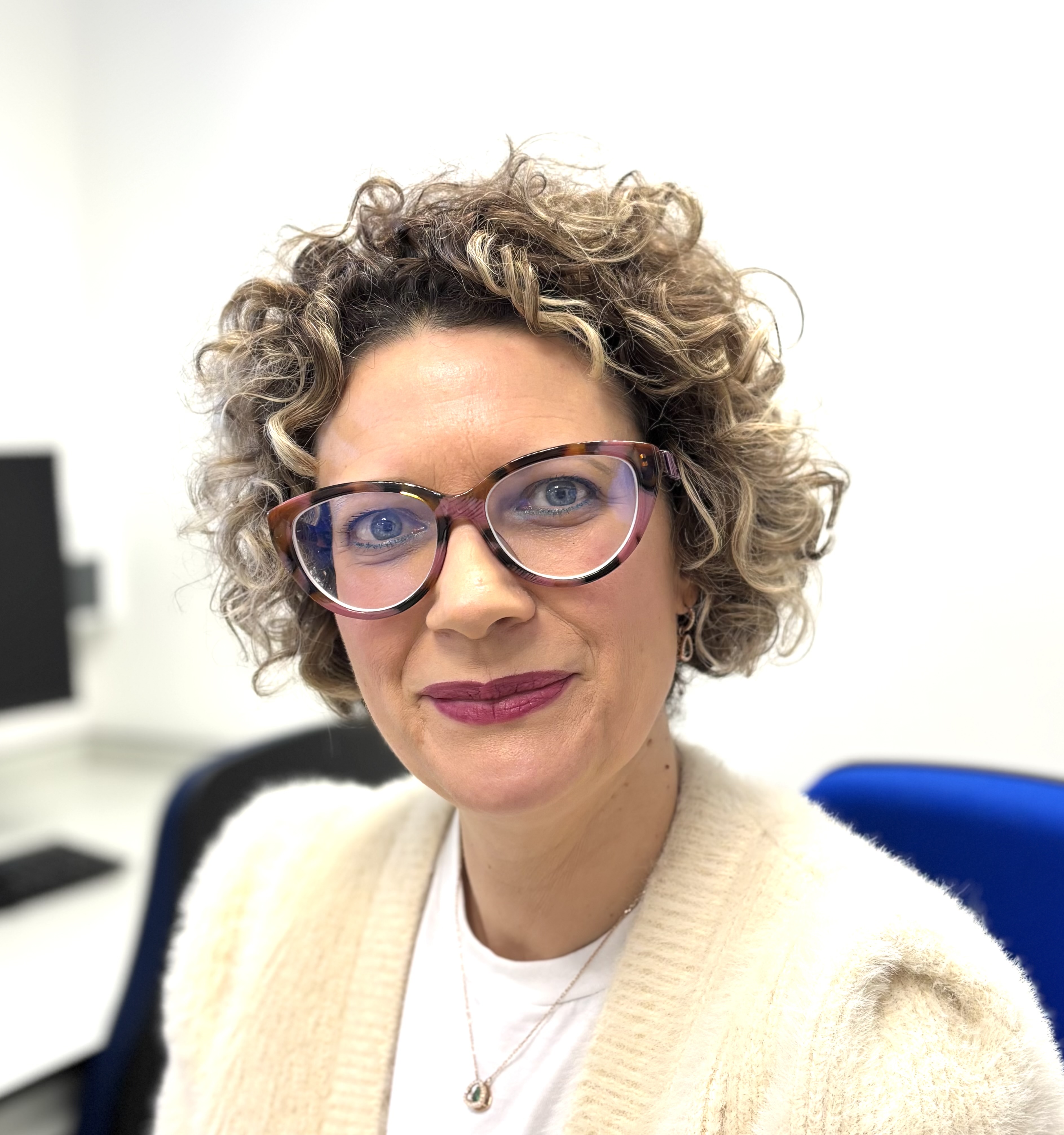
“Projects like TITAN are part of a wider shift in cancer research, towards more personalised, more precise treatments that are designed around how each tumour actually behaves. The powerful thing here is that it brings together a range of experimental models, from lab systems to living patient tissue, allowing us to compare approaches more rigorously and build a much stronger picture of what is most likely to benefit patients.”
– Dr Elena Palma, Principal Investigator at The Roger Williams Institute of Liver Studies
Looking ahead
TITAN officially began at a meeting at Milan's Humanitas Research Hospital at the end of March, bringing together the partners to map out the next phase of work.
There’s still a long road ahead before any new treatment reaches patients. But the combination of strong early data, new technology, and a genuinely collaborative approach gives real reason for optimism.
Click here to read more on how our researchers are tackling liver cancer.
Read other news articles