World Liver Day 2026: A defining moment for liver health
15 April 2026
Every year, liver disease claims around 2 million lives worldwide. More than 1.5 billion people are living with chronic liver conditions, often without knowing it.
And yet, despite its scale, liver disease remains one of the most overlooked health challenges of our time.
This World Liver Day, global experts, clinicians and researchers are coming together to change the picture.
A crisis hiding in plain sight
Unlike many other major conditions, liver disease often develops silently. There are few symptoms in its early stages, and by the time people feel unwell, it may already be too late.
The main drivers – metabolic conditions, obesity and alcohol use – are becoming more widespread. The result is a growing global burden that intersects with some of the biggest health challenges of our time, including diabetes, cardiovascular disease and cancer.
Yet liver health is still too often missing from mainstream public health strategies.
This year’s World Liver Day theme, Solid Habits, Strong Liver, is about how small daily choices can protect and strengthen your liver over time.
A global effort to change course
World Liver Day is led by an international coalition of liver societies, including the European Association for the Study of the Liver (EASL), the American Association for the Study of Liver Diseases (AASLD), Asociación Latinoamericana para el Estudio del Hígado (ALEH), the Asian Pacific Association for the Study of the Liver (APASL) and Society on Liver Disease in Africa (SOLDA).
Together, they are working to raise awareness, influence policy, and accelerate progress in the prevention, diagnosis and treatment of liver disease.
Researchers at the Roger Williams Institute of Liver Studies are part of this global effort, contributing to the science that is reshaping how liver disease is understood and managed.

“Liver disease isn’t a niche issue. It sits at the crossroads of many of the most pressing health challenges we face globally. The encouraging news is we now have a far better understanding of how it develops – and how we can intervene earlier to help patients.”
– Professor Debbie Shawcross, Secretary General of EASL and Professor of Hepatology at The Roger Williams Institute of Liver Studies
A turning point in liver science
For decades, liver disease has often been diagnosed late and treated reactively.
That is now beginning to change.
Advances in research are opening up new possibilities – from earlier, non-invasive diagnosis to a deeper understanding of how the liver interacts with other organs, particularly the gut, the brain, and the immune system.
At the Roger Williams Institute of Liver Studies, scientists are exploring the gut-liver-brain axis, uncovering how changes in the microbiome can drive inflammation and disease progression. This work is not only transforming how we think about liver disease, but also shedding light on wider health issues, such as dementia.
Elsewhere, progress in regenerative medicine and advanced therapies is bringing us closer to new ways of supporting or restoring liver function – offering hope to patients with conditions that were once considered untreatable.
Taken together, these developments mark a shift from late-stage intervention towards earlier detection, more precise treatment, and ultimately prevention.
Prevention starts with everyday habits
This year’s World Liver Day theme – Solid Habits, Strong Liver – reflects the fact that while science is advancing rapidly, some of the most powerful tools are in our own hands.
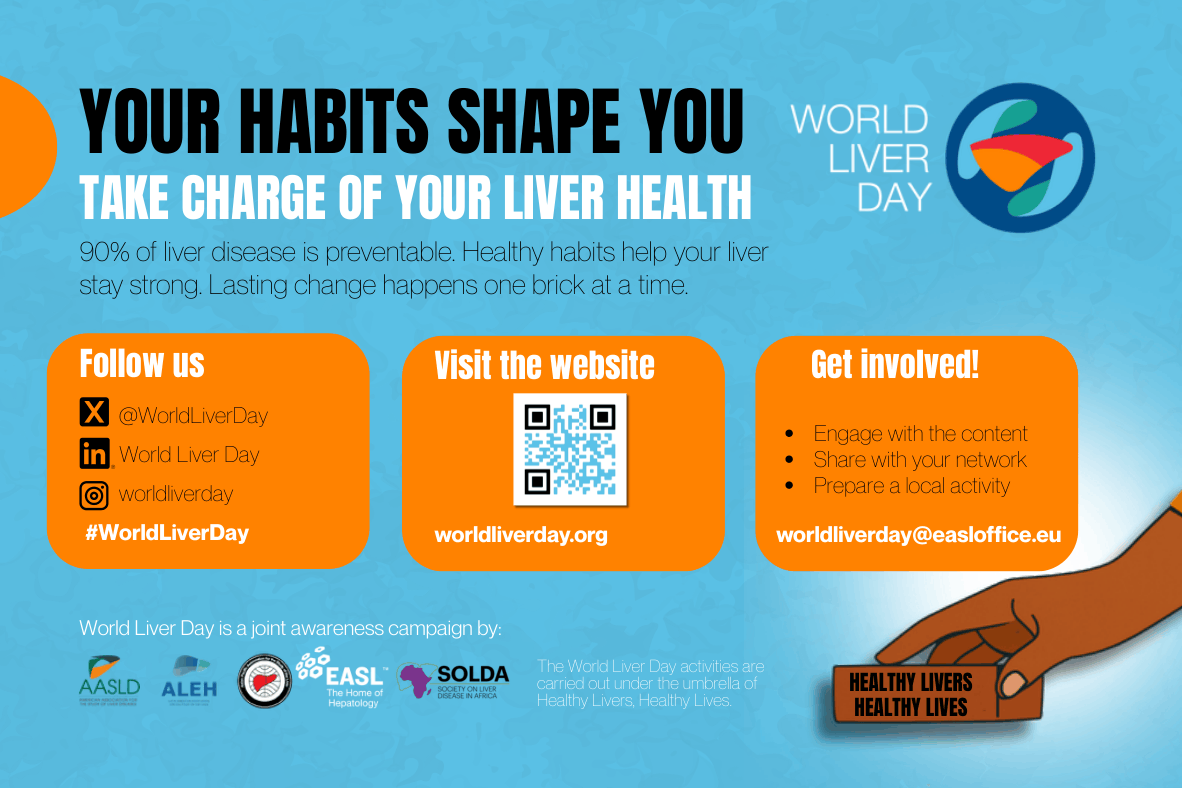
Up to 90% of liver disease is preventable. And small, consistent changes can make a huge difference.
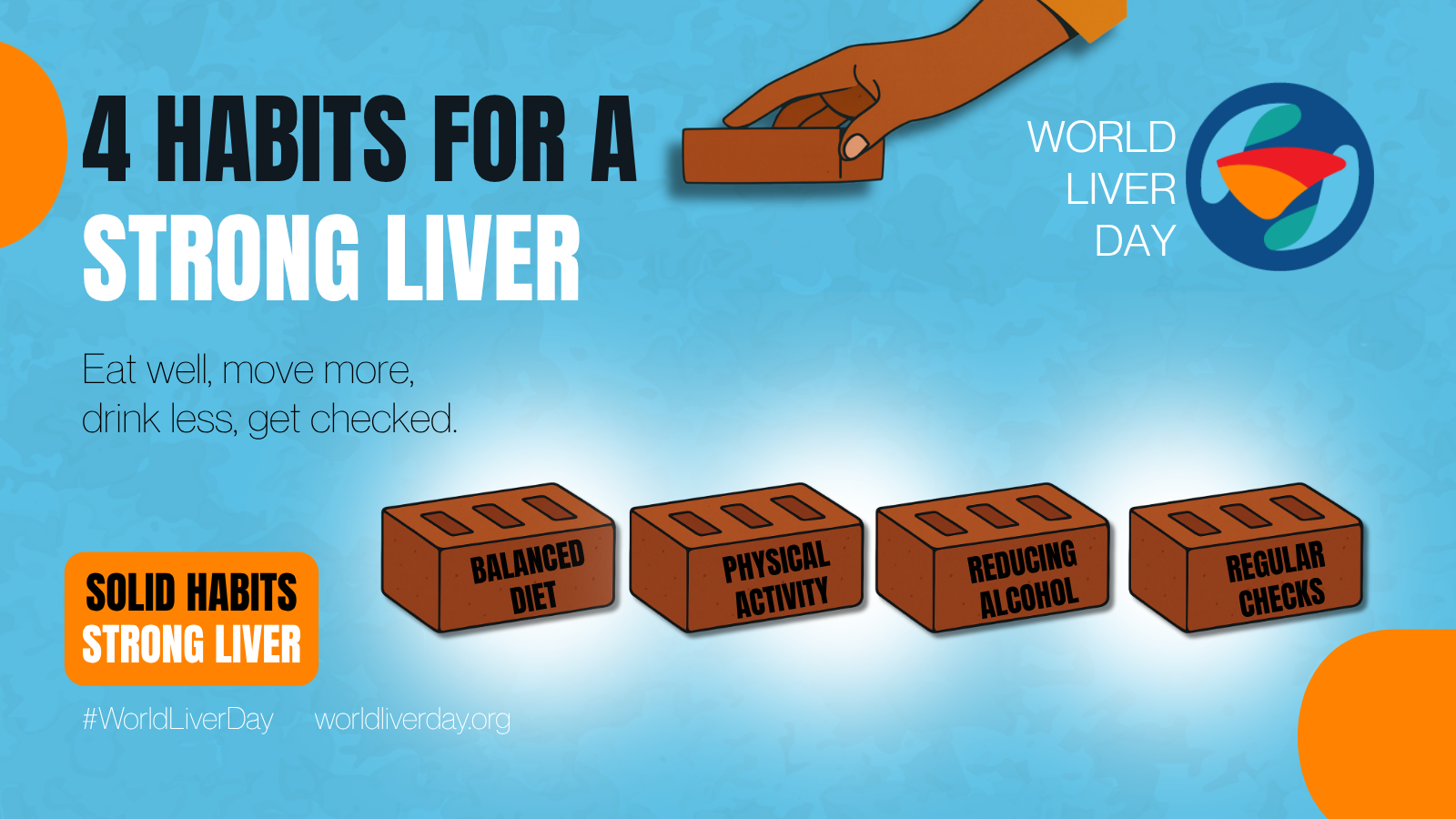
Small, consistent habits can make a big difference – eat well, stay active, cut back on alcohol, and get regular check-ups to protect your liver.
A future within reach
Liver disease may be a global crisis – but it isn’t an unsolvable one.
With the right combination of scientific progress, public awareness and policy action, we have a real opportunity to change its trajectory.
As World Liver Day 2026 approaches, that message is clearer than ever.
This World Liver Day takes place on Sunday 19th April. Visit the official campaign website and get involved by clicking here.
Read other news articles