Mouth bacteria may accelerate liver scarring, major study finds
14 January 2026
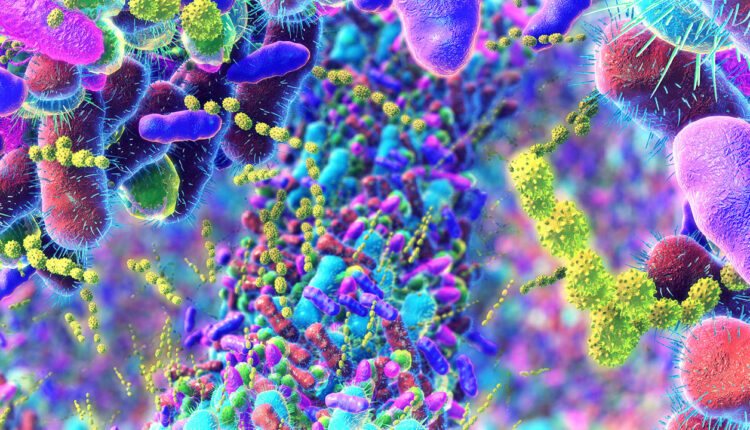
When we think about liver disease, we rarely think about the mouth. But new research led jointly by King’s College London, the Technical University of Munich and the Quadrum Institute has uncovered a surprising link between the two – and it may change how we diagnose and treat one of the world’s fastest-growing health threats.
The study, published in Nature Microbiology, shows that in advanced chronic liver disease (ACLD), bacteria normally found in the mouth don’t just pass harmlessly through the body. Instead, they appear to colonise the gut, produce enzymes that break down collagen, and may worsen the ‘leaky gut’ and liver scarring that drive patients towards organ failure.
The work involved 86 patients with liver disease and 66 controls. By analysing both saliva and stool samples, researchers pinpointed specific bacterial strains that were moving from the mouth to the gut – particularly species of Veillonella and Streptococcus.
This movement is known as oral-gut translocation. And in ACLD, it wasn’t just happening more often. It seemed to be making the disease worse.
Mouth bacteria's biochemical weapon
What set these translocating bacteria apart was a gene known as prtC, which enables the production of a collagenase – an enzyme capable of breaking down the type of collagen that helps maintain the gut barrier.
When the gut barrier weakens, bacteria and inflammatory molecules can escape into the bloodstream and reach the liver, worsening inflammation and scarring through the gut-liver axis.
Importantly, the team found that higher levels of prtC in stool samples were strongly associated with more severe disease. In fact, prtC was able to distinguish ACLD patients from healthy individuals with accuracy comparable to clinical diagnostics already used in hospital settings.
For a condition that’s often diagnosed late, a reliable microbial biomarker like this could be a hugely significant find.
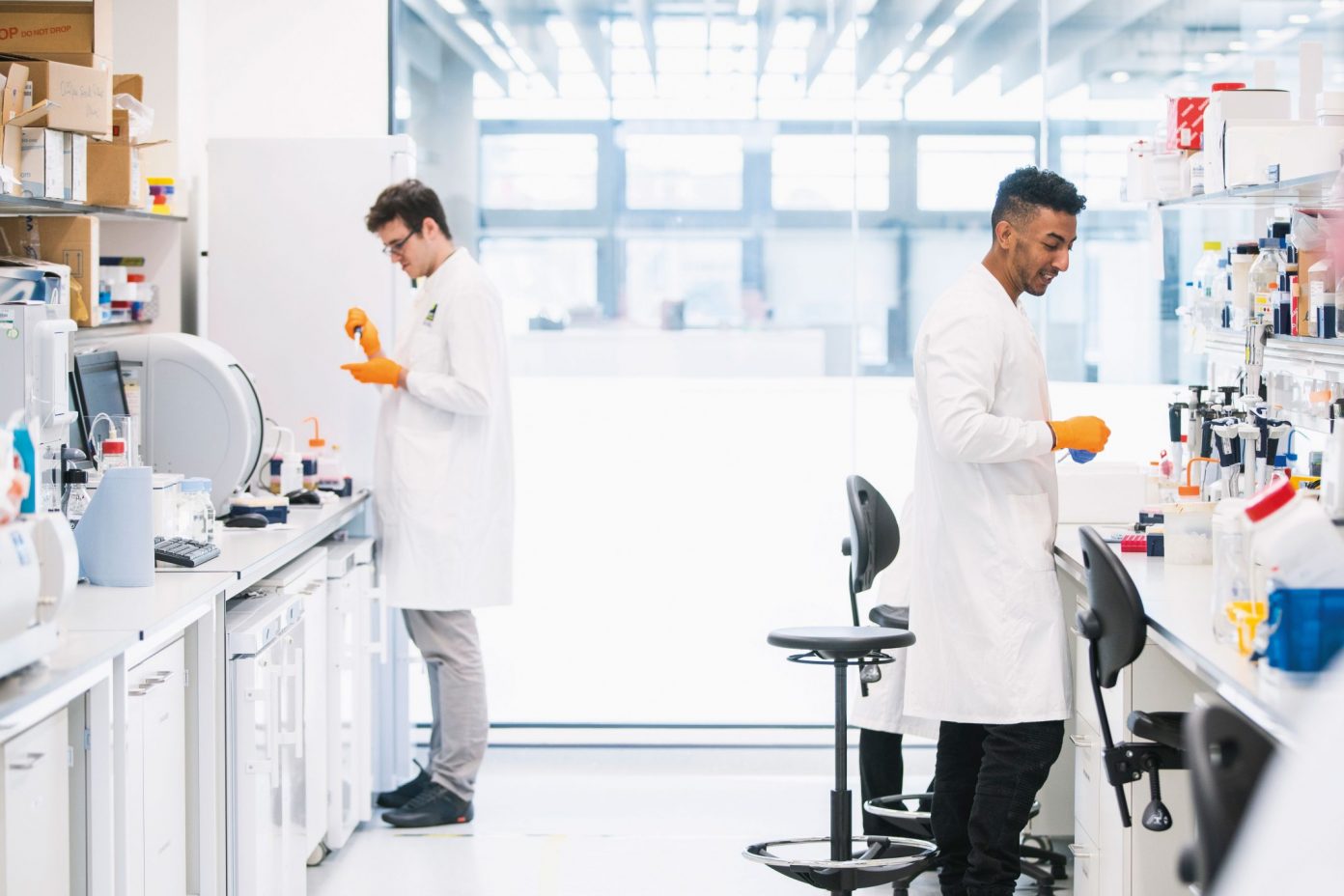
Researchers at Norwich's Quadram Institute played a key role in revealing the microbiome’s role in liver scarring.
Rising similarity between mouth and gut bacteria
As liver disease worsened, saliva and gut microbiomes grew more and more alike. Patients in the most severe stages had a striking over-representation of oral bacteria in the gut, and often at significantly higher absolute levels than healthy individuals.
This wasn’t seen in a comparison group of patients with severe sepsis, who had similar medical complexity but no underlying liver disease – a crucial detail that strengthens the link to ACLD itself.
Tested and proven in living systems
To understand whether these bacteria could actually worsen disease – rather than simply appear alongside it – the researchers introduced prtC-encoding Veillonella and Streptococcus strains into mice with experimentally-induced liver fibrosis.
The result: mice receiving the bacteria showed greater gut barrier disruption and more severe liver scarring than mice with fibrosis alone. Imaging confirmed that proteins responsible for sealing the intestinal lining were displaced, leaving gaps in the barrier.
In short: the bacteria weren’t innocent bystanders. They were helping push disease forward.
A potential new way to diagnose and prevent liver failure
ACLD, which includes cirrhosis, affects millions worldwide and kills more than two million people every year. Treatments focus mainly on complications, and there are no widely available therapies that reliably slow or prevent progression.
But because prtC appears early and strongly in the disease course, testing for it could:
- help identify high-risk patients long before they show symptoms
- inform decisions about transplant assessment and monitoring
- help measure treatment response in future clinical trials
Targeting oral-gut translocation itself may even open a new class of therapeutic strategies focused on protecting the gut barrier, modulating the oral microbiome or blocking collagenase activity.
Why this discovery matters
This discovery strengthens a growing recognition that chronic diseases do not occur in isolation. The mouth, gut and liver are not separate systems, but deeply interconnected networks.
For patients, that could mean earlier diagnosis, more personalised treatment and ultimately, better chances of avoiding liver failure.
And for researchers and clinicians, it could open a path towards a new generation of microbiome-informed medicine.
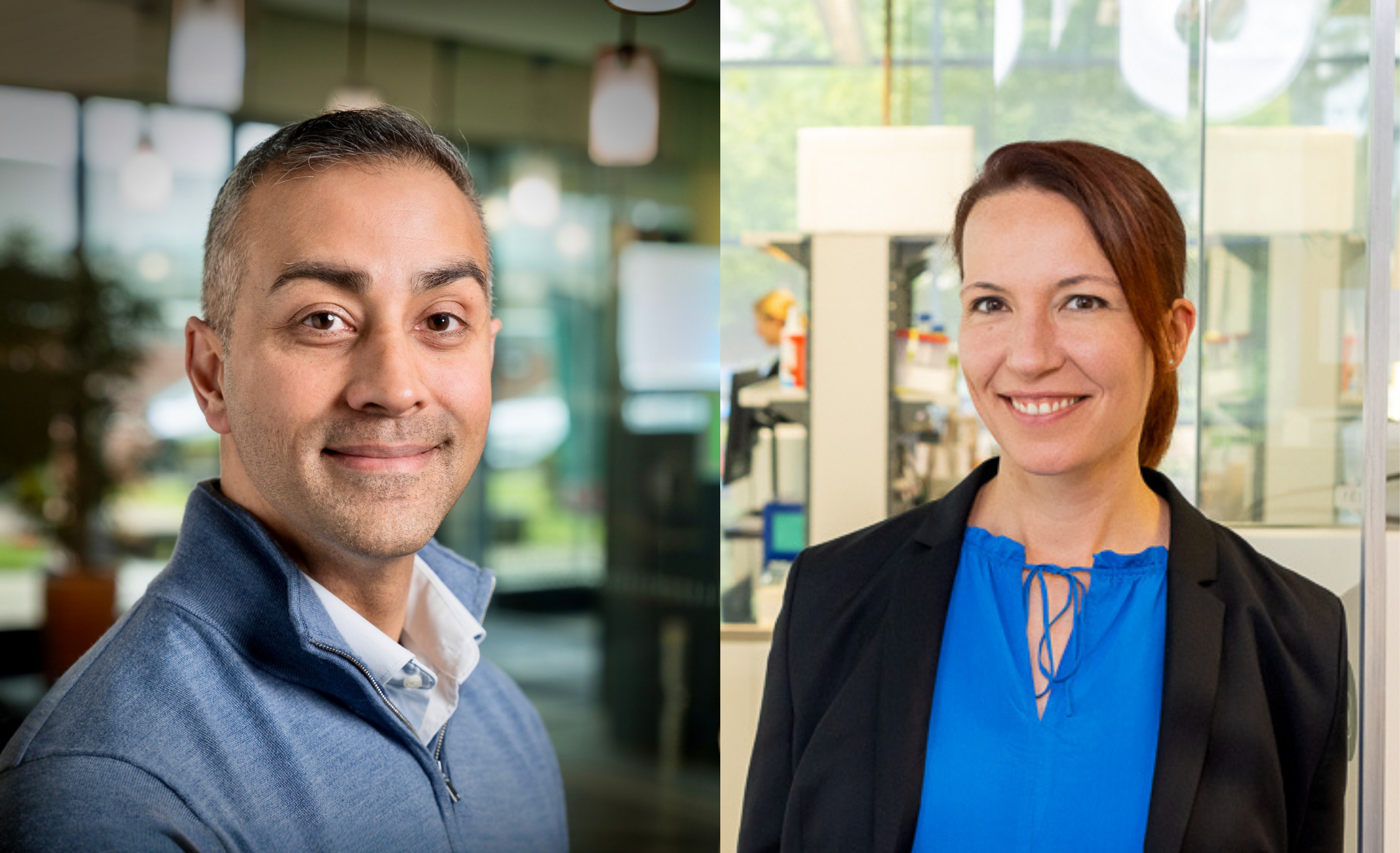
“This is an exciting step towards truly understanding how the microbiome contributes to liver decline. It brings us closer to new diagnostic and therapeutic approaches for a disease that urgently needs them.”
– Dr Vishal Patel, co-lead author from King’s College London
“The liver community has long recognised the importance of the gut-liver axis. What we are now beginning to see is that the mouth is an integral part of that conversation too.”
– Dr Melanie Schirmer, co-lead author from Technical University of Munich
Click here to read the paper in full
Read other news articles